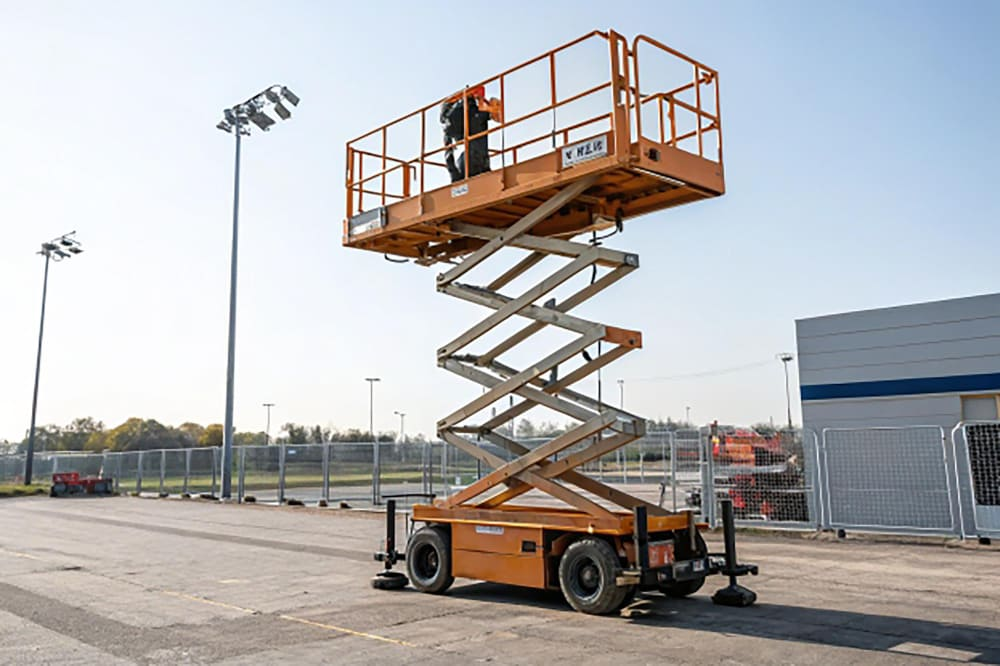
Work at height can turn a simple task into a tough job. Workers may need to fit lights, repair ceilings, install pipes, clean high areas, manage stock, or complete building work. A stable lifting platform can make these jobs safer and easier.
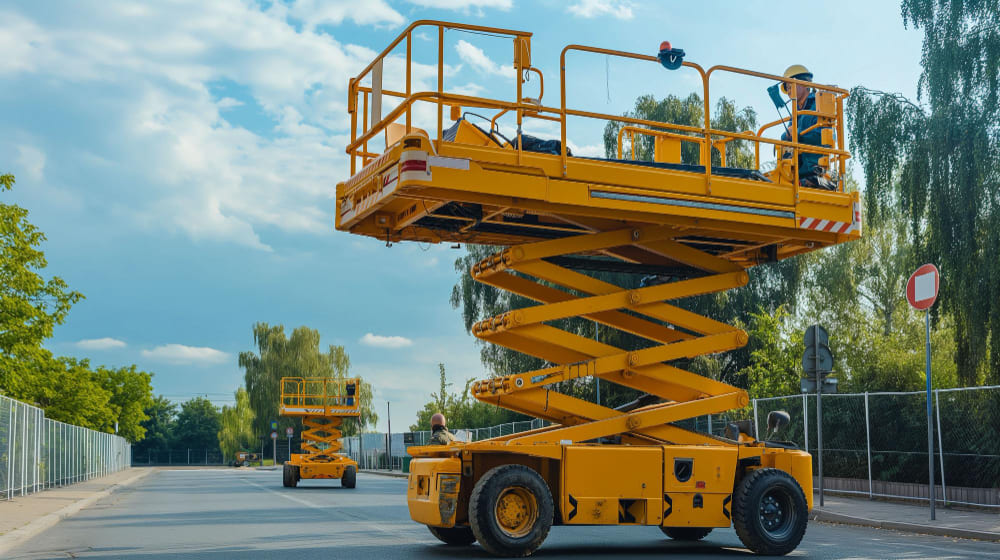
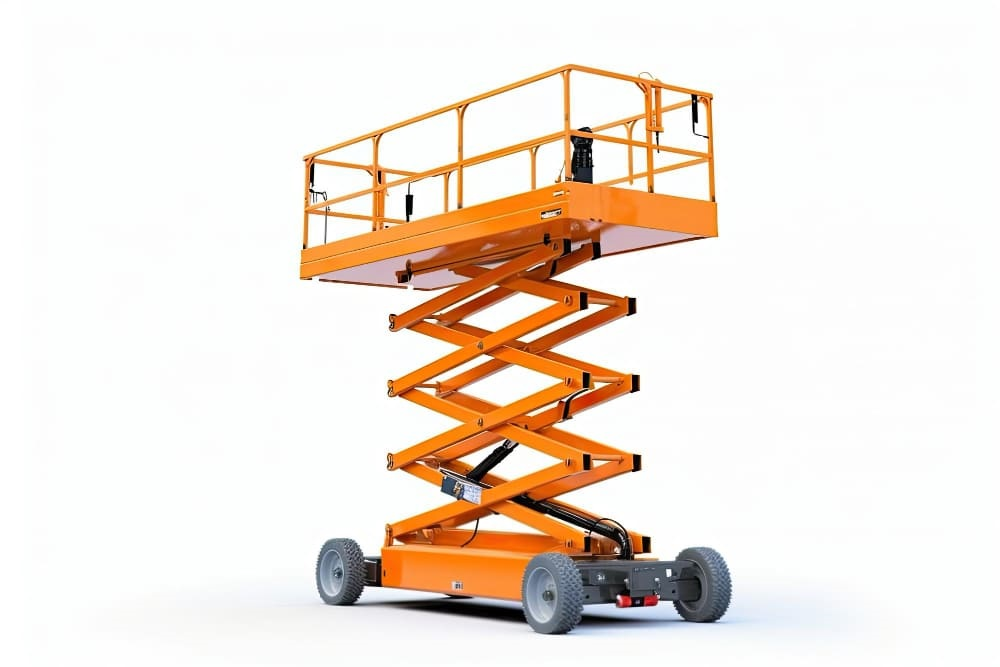
A scissor lift in Malaysia gives workers a raised platform that moves in a straight vertical path. Crossed supports under the platform open and close to control its height. This design creates a broad work area for people, tools and materials.
Yet one key question comes before choosing a machine: should you buy or hire it?
The answer depends on your work schedule, site, storage space, maintenance needs and expected use. A business with daily height work may gain more from ownership. A team with a short project may find rental more practical.
This guide explains both routes and shows what to check before making a choice.
What Is a Scissor Lift and Where Can You Use One?
A scissor lift is a mobile work platform designed to raise people and equipment in a vertical direction. Unlike a boom-type platform, it does not reach far to the side. Its strength comes from stable vertical access and a useful platform area.
These machines serve many workplaces, including warehouses, factories, shopping centres, construction sites, workshops, airports and large buildings.
Common jobs include:
- Installing lights, signs, pipes and ceiling systems
- Repairing high walls and building services
- Reaching warehouse racks
- Painting and fitting work
- Cleaning high indoor spaces
- Carrying out inspections and maintenance
Safety guidance stresses the need to choose equipment that suits the task and worksite. Workers also need training, safe access, sound equipment and protection against falls and falling objects.
Should You Buy or Rent?
Buying and renting solve different business needs. Neither option fits every project.
Start with one simple question: how much will your team use the machine? Frequent use can support ownership. Short, seasonal, or changing projects may suit rental. Your choice should also cover maintenance, transport, storage, machine type and job conditions.
When Buying Makes Sense
Searching for a scissor lift for sale can make sense when your team handles regular work at height.
Ownership gives you direct access to the machine. You do not need to arrange equipment for each new job. Your team can plan maintenance work around its schedule.
Buying may suit you when:
- Height work forms part of daily operations
- Projects continue across much of the year
- You have secure storage space
- Your team can manage inspections and servicing
- Most jobs need the same machine size and type
- Equipment transport does not create a major problem
Ownership can also help facilities with repeated tasks. A warehouse may need access to lights, racks, ducts, cameras and ceiling systems throughout the year. Keeping suitable equipment on site can simplify those jobs.
However, ownership creates responsibility. You must manage maintenance records, battery care, tyres, controls, hydraulic systems, safety devices, inspections and storage.
When Rental Makes More Sense
You may choose to rent scissor lift equipment when work lasts for a set period or your access needs change from project to project.
Rental lets you select equipment for each task instead of keeping one machine for every job. A small indoor unit may suit one project, while another job may need a larger outdoor model.
Rental can suit businesses that:
- Need equipment for a short project
- Have limited storage space
- Work across many sites
- Need different platform heights
- Do not want long-term equipment ownership
- Have changing workloads
A scissor lift rental can also help a business test a machine category before considering ownership. Operators can learn how a certain platform size, drive system, or working height fits their normal tasks.
The key is planning. Check project dates, site access, floor conditions, transport needs and expected working hours before booking equipment.
How to Choose the Right Machine
Finding the right scissor lift for Malaysia requires more than choosing a platform that reaches the target height. The machine must fit the full job.
Check Working Height
Start with the highest point workers need to reach. Do not choose equipment based on guesswork. Measure the work area and check the machine specification. Leave enough working range so staff can complete the task without standing on rails, boxes, ladders, or other objects.
Safety guidance warns workers against using ladders or extra platforms to gain more height from an elevated platform.
Check Platform Capacity
Think about everything that will enter the platform. That includes workers, tools, equipment and materials. Their combined weight must stay within the machine’s safe working load.
Malaysian guidance states that tools and loads must remain within the stated safe working limit. Loads also need secure placement to protect platform stability.
Consider Platform Size
A larger platform gives workers more room, but bigger does not always mean better. Wide machines can struggle with narrow doors, tight warehouse aisles, lifts, gates and small work areas. Measure access routes before selecting equipment.
Check door widths, turning areas, floor space, loading zones and the final work position.
Indoor or Outdoor Work?
The work environment should shape your choice. Indoor jobs often need compact equipment with low noise and no exhaust gases at the work point. Electric units can suit warehouses, retail buildings, factories and indoor maintenance areas.
Outdoor work creates different demands. Ground conditions, slopes, holes, debris, rain and wind can affect machine stability.
Safety guidance recommends firm and level surfaces and warns against hazards such as holes, drop-offs, slopes, bumps and obstructions. Outdoor use must also follow the machine maker’s limits for weather and wind. For rough construction areas, check whether the machine can handle the ground conditions before work begins.
Electric or Engine-Powered?
Power source matters because it affects where you can use the machine.
Electric models suit many indoor tasks. They can work well where noise and exhaust output need control. Battery condition and charging access become key parts of daily planning.
Engine-powered units can support outdoor and rough-site work where charging access may prove difficult. Yet indoor use needs careful assessment because engine exhaust can create health risks in enclosed spaces. Do not pick a power source from habit. Match it to the work environment.
Check Floor and Ground Conditions
The ground under the machine plays a major role in safety. A strong machine can still become unstable on poor ground. Before work begins, inspect the area for holes, soft soil, slopes, floor damage, debris, drains, edges and other hazards.
Malaysian construction guidance calls for firm, level surfaces when operating this type of equipment. The work area may also need barriers to keep pedestrians and vehicles away from the machine.
Safety Features You Should Check
Safety should shape every buying or rental decision.
Malaysia’s technical requirements for lifting equipment identify details such as safe working load, platform dimensions, emergency controls, hydraulic protection, locking systems, weather protection for outdoor controls and manufacturer test information.
Before accepting a machine, check key parts such as:
- Guardrails and entry gates
- Emergency stop controls
- Emergency lowering system
- Brakes
- Platform controls
- Warning alarms
- Tyres
- Safety labels
- Load information
- Hydraulic parts
Operators should complete a pre-use check and follow the maker’s operating instructions. Safety systems should never get bypassed or altered without proper approval.
Training Matters as Much as the Machine
Good equipment cannot replace skilled operation.
Only trained and authorised people should operate lifting platforms. Workers need to understand the controls, load limits, movement rules, emergency systems, site hazards and safe work methods. Operators must also watch overhead hazards.
Power lines pose a major risk because electricity can arc across a gap. Malaysian construction guidance sets specific precautions for work near live electrical wires, while international safety guidance also stresses keeping lifting equipment away from electrical sources.
Think About Maintenance Before Buying
Maintenance plays a key role in equipment ownership. Before choosing a scissor lift for sale, make sure your business can manage regular servicing and inspections.
Plan for:
- Battery and hydraulic system checks
- Tyre, brake, and control inspections
- Guardrail and safety system checks
- Repair and maintenance records
If your team lacks the space, skills, or resources for proper upkeep, rental may be a more practical choice.
Location Can Affect Your Choice
Equipment needs often differ across Malaysian regions. A search for scissor lift Johor equipment may come from factories, warehouses, construction projects, or maintenance teams. Each worksite can require a different height, platform size, tyre type, or power system.
The same applies when searching for scissor lift rental Penang services. Industrial sites, commercial buildings and renovation projects can place different demands on access equipment.
When searching for scissor lift near me, do not choose based on distance alone. Check machine condition, documentation, specifications, support, delivery access and suitability for your work.
Questions to Ask Before Making a Decision
Before choosing rental or ownership, check these key points:
- Working height: How high do workers need to reach?
- Platform load: How much weight will the platform carry?
- Number of users: How many workers will use it at once?
- Work area: Will you use it indoors or outdoors?
- Ground conditions: Is the surface firm, flat and safe?
- Access width: Can the machine pass through doors and narrow spaces?
- Project length: How long will you need the equipment?
- Daily use: How many hours will you use it each day?
- Safety rules: Check the current requirements for your scissor lift in Malaysia.
These checks help you choose equipment that fits the job, site and safety needs.
Buying or Renting: Which Route Fits Your Work?
The choice becomes easier when you focus on use.
Choose ownership when your team needs the equipment across long periods, has stable access needs and can manage storage and maintenance. A scissor lift for sale can support businesses that want equipment available for repeated work.
Choose rental when your projects change, your equipment needs vary, or you only need access for a limited period.
In both cases, machine condition matters more than the ownership route. The right equipment should fit the required height, load, work surface, access route and operating environment. It should also have sound safety systems and clear documentation.
Final Thoughts
A scissor lift can make work at height more controlled, productive and practical, but choosing one takes careful thought.
Start with the job rather than the machine. Measure the height. Study the ground. Calculate the platform load. Check access points. Decide where you will store and charge the equipment. Review operator training and maintenance needs.
Buying can serve frequent and predictable work. Rental can suit short jobs and changing projects.
Whichever route you choose, never trade safety for convenience. Select equipment that fits the task, inspect it before use, respect its load limits and place trained operators at the controls. A sound choice protects workers and keeps work moving.
FAQs
Buying suits regular long-term use with stable equipment needs. Rental suits short projects, changing heights, limited storage, or businesses that want less maintenance responsibility.
Choose a machine based on working height, platform capacity, access width, ground conditions, number of workers, tools, materials and available operating space on site.
Only use equipment in environments covered by its specifications. Check tyres, power source, ground conditions, weather limits, platform capacity and manufacturer operating instructions first.
Check controls, brakes, tyres, guardrails, gates, alarms, emergency systems, hydraulic parts, safety labels, platform condition, battery level, leaks and visible damage before starting work.
Yes. Operators need suitable training and authorisation. They should understand controls, load limits, site hazards, emergency procedures, safe movement, inspections and the manufacturer’s operating instructions.