Tricky job sites can be full of surprises, seriously. Tight corners, bumpy ground, and low ceilings try to catch even the most seasoned crews off guard or make them improvise. Picking up the right aerial work platform can turn a tough job into something way smoother, cutting down delays and keeping everyone safer at the same time. Still, many teams just grab whatever machine is nearby. That “closest first” habit often backfires too, because it costs more later and wastes hours, even if it seems faster in the moment.
A better route starts with looking over the site first, then matching the equipment to what the space actually asks for. This guide goes through the key factors that shape a solid decision, so you can handle the tricky spots with confidence and skill.
Assessing Your Worksite Before Choosing an Aerial Work Platform
Before you grab any equipment, study the site closely. Every job site carries its own set of demands, and the right platform hinges on these details.
Check these four areas first:
| Site Factor | What to Spot | Why It Matters |
|---|---|---|
| Ground conditions | Flat and paved, or rough and bumpy | Some platforms crave stable ground; others chew through rugged terrain with ease |
| Overhead and side clearance | Power lines, low ceilings, pipes, narrow paths | Blocks which machines can squeeze through and turn |
| Weight and load | Workers, tools, and materials combined | Picking the wrong load limit puts people at risk and stalls the job. |
| Indoor or outdoor use | Enclosed space vs open site | Steers your choice of electric, diesel, or hybrid power |
Studying these points first dodges headaches later. It also stops you from renting or buying equipment that can’t pull its weight.
Types of Aerial Work Platforms and Their Applications
A wide range of equipment exists, each built to tackle specific tasks.
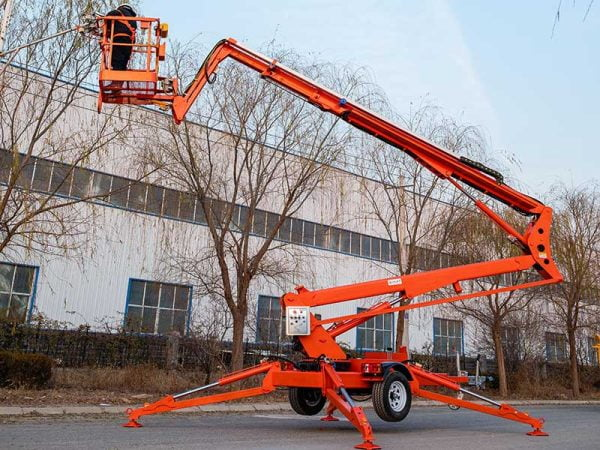
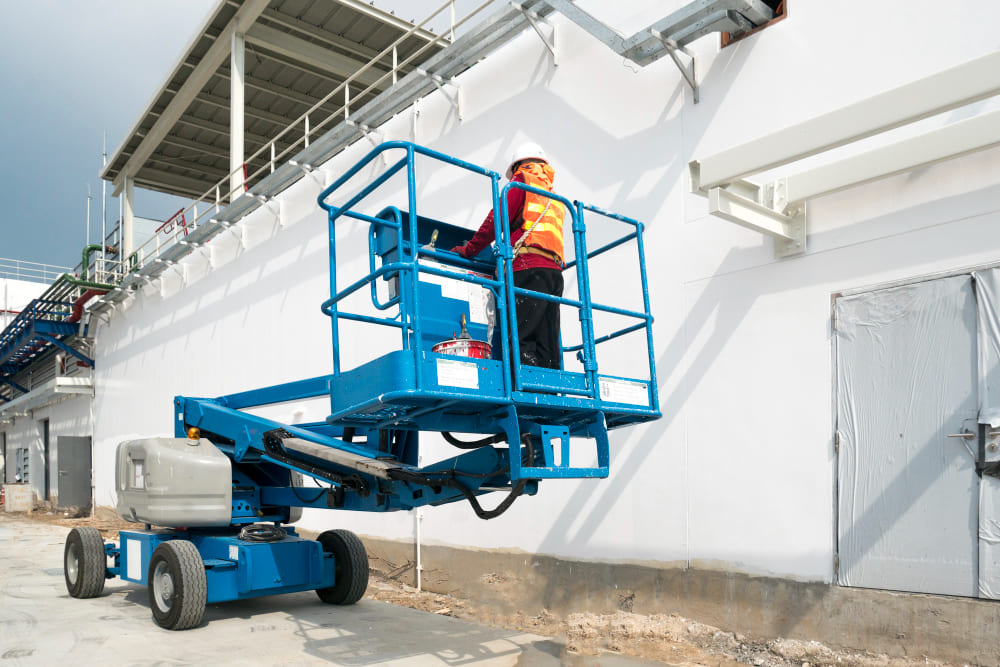
Boom Lifts
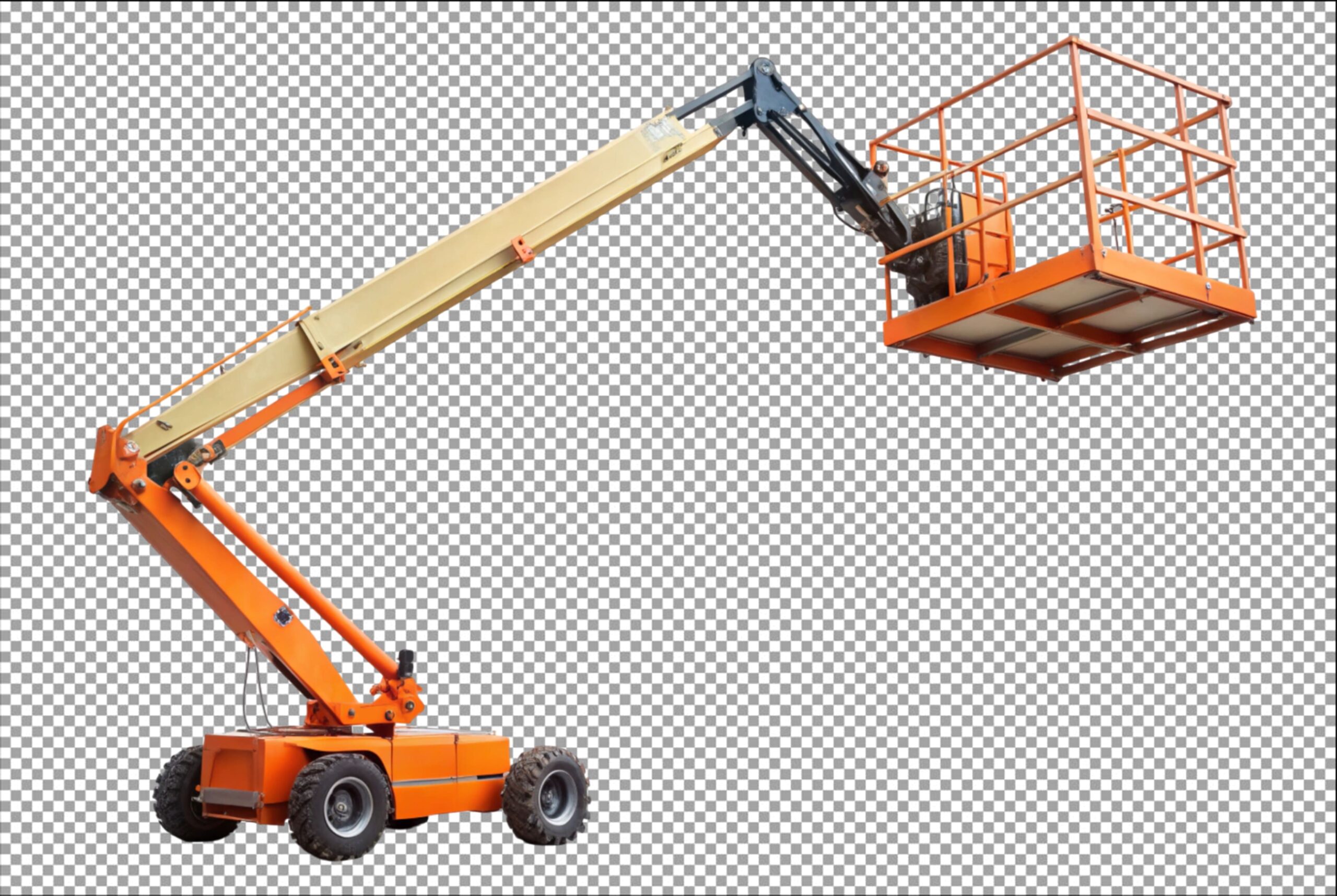
Stretch out with impressive reach, both up and sideways. They come in two styles telescopic and articulated boom lifts. Best for jobs where workers need to swing over obstacles or grab tricky-to-reach spots.
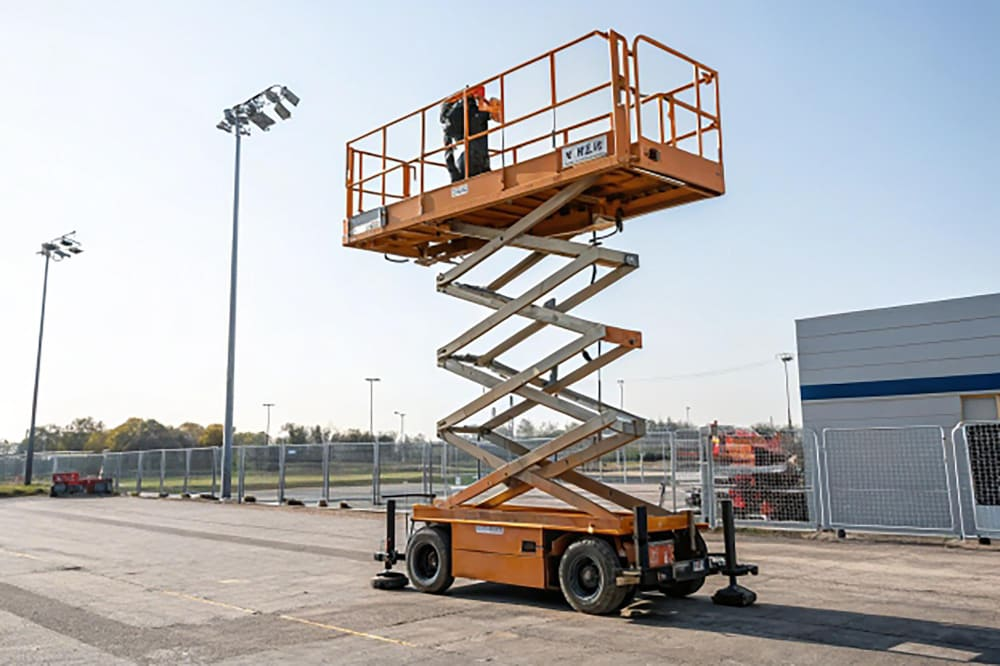
Scissor Lifts
Rise straight up using a crisscross frame. They offer a steady, roomy platform, making them a solid pick for tasks that need more space to work and haul tools.
Vertical Lifts
Slim and trim, perfect for narrow spots like warehouse aisles. They lift workers and light loads straight up, without much sideways reach.
Spider Lifts
Extendable sport legs that lock onto bumpy, uneven, or kinda soft ground, like a steady handshake sort of thing. They have a light frame so they can handle tricky terrain and those tight, cramped spots, be it in gardens or along narrow paths.
Each of the platforms has its strengths, but the aim is not just to grab whatever is nearby. The real trick is matching the equipment to the site, rather than assuming one size fits all, you know.
When an Articulated Boom Lift Is the Best Choice
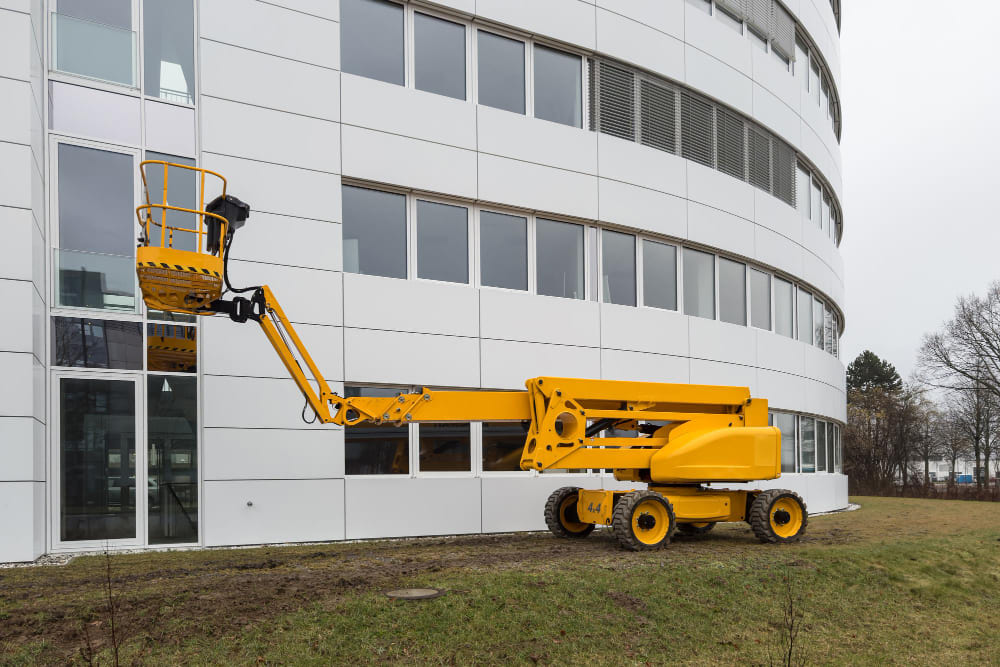
An articulated boom lift stands out on tricky sites thanks to its bendy reach. Unlike a telescopic boom, which stretches out in a straight line, an articulated boom folds at several joints. This lets workers snake around obstacles with ease.
Reaching Around Obstructions
Tricky sites often hide pipes, beams, or structures in the way. An articulated lift can bend and twist past these barriers, reaching spots a straight boom simply can’t touch.
Working in Confined Spaces
Because the arm folds and flexes, this lift thrives in tight courtyards, indoor spaces, and areas crammed with equipment. Operators grab access without needing a giant footprint.
Precision Positioning
The many joints give operators fine control over positioning. This precision matters for detailed tasks such as electrical work, painting, or fixing awkward spots.
Best suited for:
- Maintenance work around existing structures
- Tree care
- Construction sites packed with obstacles
- Any task where the path to working height isn’t a straight line
If your site holds obstacles, tight corners, or a mix of indoor and outdoor zones, an articulated lift often wins out against other aerial lifts.
Comparing Different Aerial Lift Options
Choosing between machines gets easier once you line them up side by side.
| Comparison | Choose This When |
|---|---|
| Boom lift vs. scissor lift | Boom for reach and bending around obstacles; scissor for a wide, steady platform. |
| Telescopic vs. articulated boom | Telescopic for max straight-line reach; articulated for slipping around barriers |
| Electric vs. diesel power | Electric for quiet, clean indoor work; diesel for rough terrain and heavy-duty outdoor tasks |
| Compact vs. heavy-duty models | Compact for narrow doorways and gaps; heavy-duty for greater weight and height |
Weighing these trade-offs against your site conditions helps you land on the right choice fast.
Factors to Consider Before Renting an Aerial Lift
Renting gives you flexibility, but it’s worth considering a few things first.
- Duration of the project – Short jobs suit a simple rental; longer projects might snag better long-term rates.
- Site access requirements – Measure doorways, gates, and paths before you book.
- Operator training – Check whether your team holds the right certificate.
- Maintenance and support – Ask what support is included with the rental, as breakdowns can cause delays.
- Budget – Weigh rental costs against the value the machine brings.
Common Industries That Use Aerial Work Platforms
| Industry | How the Equipment Gets Used |
|---|---|
| Construction | Fitting cladding, installing windows, general upkeep at height |
| Warehousing and logistics | Grabbing high shelves and managing stock without ladders |
| Film and event production | Setting up lighting rigs, cameras, and staging |
| Tree care and landscaping | Reaching into gardens and tight green spaces without harming the ground |
| Facilities maintenance | Cleaning windows, servicing HVAC systems, general upkeep |
Safety Planning for Elevated Work
Working at height leaves little room for error. A single missed check or skipped step can twist a normal day into a serious accident. Strong safety planning shields workers, equipment, and the whole project timeline. Here’s what every crew should nail down before sending anyone up in the air.
- Pre-use inspections – Check controls, safety guards, and hydraulic parts before each use.
- Ground stability checks – Confirm the ground can support the machine and its load.
- Fall protection – Fit and check harnesses and guardrails regularly.
- Weather conditions – Set clear wind speed limits for halting work.
- Trained operators – Only trained staff should operate aerial platforms.
Common Mistakes When Selecting an Aerial Work Platform
| Mistake | Result |
|---|---|
| Mistake | Result |
| Picking equipment on price alone | Costs more later through delays or damage |
| Skipping site measurements | The machine can’t squeeze into the work area. |
| Overlooking load capacity | Sparks a serious safety hazard |
| Choosing the wrong power source | Causes trouble indoors or on rough terrain |
| Skipping operator training | Raises the risk of accidents |
Renting vs Buying an Aerial Work Platform
The machine matters, but also the supplier behind it. A solid supplier keeps your project running, with solid equipment, quick response, and straightforward guidance. If you skip this step, it can cause breakdowns and delays that nobody wants, really. So, when you’re choosing a supplier you can trust, here’s what to look out for.
Renting works well when:
- Projects run short-term or one-off
- You want to dodge maintenance and storage costs
Buying works well when:
- You face regular, ongoing need for aerial lifts
- You want full control over availability and scheduling
Renting spreads out costs but piles them up over time with frequent use. Buying requires a larger upfront payment but is more economical over time for heavy users. Weigh your project frequency, budget, and storage space before deciding.
Questions to Ask Before Hiring an Aerial Work Platform
- What height and reach does my task truly need?
- Will the machine squeeze through all access points on site?
- What is the load capacity, and does it cover tools plus workers?
- Does the supplier offer training or certification support?
- What happens if the machine breaks down on site?
- Are spare parts and repairs ready fast?
- What safety features come fitted as standard?
Grabbing clear answers before signing anything saves time and dodges costly mistakes later.
Choosing a Reliable Aerial Work Platform Supplier
The machine matters, but so does the supplier behind it. A reliable supplier keeps your project running with strong equipment, timely support, and honest advice. Skipping this step often leads to breakdowns and delays nobody wants. Here’s what to look for when picking a supplier you can actually trust.
- Range of equipment – A wide selection means you can grab the right fit instead of settling for what’s nearby.
- Safety standards – A fleet kept to a high standard, following safety rules closely
- Support and service – Strong after-sales support, spare parts, and fast repairs
- Training options – Real value for teams new to certain equipment types
- Reputation – Check reviews and ask other businesses about their experience
Why Proper Equipment Selection Improves Project Efficiency
Choosing the right machine does more than just complete the task. It steers how smoothly a whole project runs, from the first day to the last. The right equipment slashes wasted time, trims costs, and keeps workers safe at height. Here’s a peek at how smart selection turns a good project into a top-notch one.
- Fewer delays – The right machine reaches the work area without detours or awkward workarounds
- Lower costs – Dodging breakdowns, damage, and repeated hire fees keeps the budget in check
- Better safety outcomes – Matching the platform to the task cuts accidents and near misses
- Improved worker confidence – Operators work faster when the equipment fits the task
- Stronger project reputation – Smooth, safe projects build trust with clients and site managers
Emerging Trends in Aerial Work Platform Technology
Technology keeps pushing this industry onwards, sort of changing how crews work at height each year, and it feels like it never really stops. Fresh features bring more safety to the job and also cut down on downtime, so the work flows better. All these improvements sort of rewire daily site tasks, even the small routines. So here’s a brief look at the trends that are shaping the future of aerial platforms right now, today.
| Trend | Benefit |
|---|---|
| Smart sensors | Tilt sensors, overload detection, and automatic braking add extra safety |
| Hybrid power options | Flexibility for indoor and outdoor work without swapping equipment |
| Remote diagnostics | Spots faults before they spark breakdowns on site |
| Compact designs | Smaller footprint while holding onto reach and load capacity |
| Improved battery life | Longer runtime between charges, cutting downtime |
Based on general information about the sector, these trends indicate that equipment will be safer, smarter, and more efficient overall.
Conclusion
Picking the right aerial working platform for a tricky job site is kind of about really paying attention to what your place is doing and then matching it to the machine that fits. The ground’s appearance, how people can move in and around the site, the required load weight, and the available power source all influence the choice.
An articulated lift is usually a solid choice for those job sites with barriers, narrow pathways, and awkward angles where everything feels a bit tight. If you take a little time to sort it out, ask the right questions, and use a reliable supplier, you will tend to experience fewer delays, lower total costs, and a safer work environment overall.
FAQs
Measure your tallest work point first, then toss in extra clearance. Grab a machine that stretches slightly beyond that height for safety and flexibility on tricky tasks.
Check if your task needs a wide, stable platform for tools and multiple workers. Scissor lifts shine on flat ground where straight-up access gets the job done.
Electric machines thrive indoors or on smooth, dry ground. Rough terrain or heavy outdoor tasks usually call for diesel or hybrid power instead for extra muscle.
Operators need manufacturer-approved courses covering controls, safety checks, and emergency steps. Hands-on practice on flat ground builds confidence before tackling height or tricky terrain.
Run a check before every single use, covering controls, guards, and hydraulic parts. Regular servicing catches wear early and keeps the machine safe throughout the job.