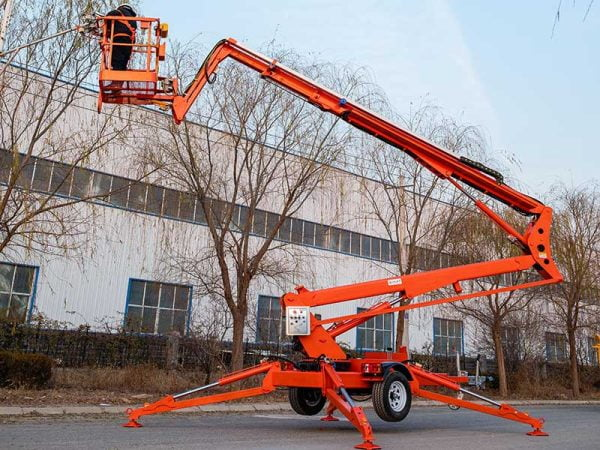
Working at height needs careful planning. The right access equipment can make the job safer and easier, while the wrong choice can cause delays and access problems. This becomes even more important when a site has narrow gates, uneven ground, trees, walls, steps, or limited working space.
A spider lift can work well in many of these situations. Its compact body, tracked base, boom and stabilising legs help workers reach difficult areas. Yet not every spider lift suits every job. Before you arrange a spider lift rental, you need to understand the site and the work you plan to complete.
Working height is only one factor. You also need to check horizontal reach, ground strength, access width, platform capacity, overhead hazards and the space needed for stabilisers.
This guide covers the main checks you should make before choosing a spider lift for your site.
What Is a Spider Lift?
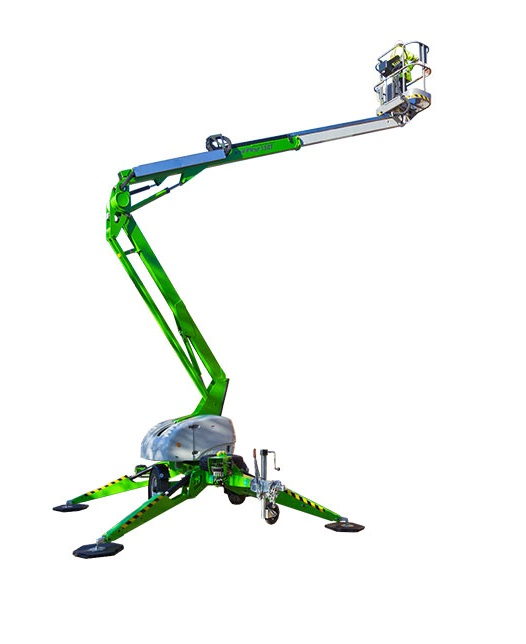
A spider lift is a mobile elevating work platform designed to carry workers to areas above ground level. Most models use tracks for movement and stabilising legs for support during operation. When these legs spread around the machine, they create a shape that looks like a spider.
The tracked base can help the machine travel across surfaces where some wheeled platforms may face problems. Many models also have a narrow body, which can help them pass through gates, doors, alleys and other restricted spaces.
Spider lifts can support many types of work, including:
- Tree cutting and pruning
- Building and roof inspections
- Window and façade maintenance
- Lighting and electrical work
- Sign fitting
- Painting and repair work
- Indoor maintenance
These features make the equipment flexible, but the machine still needs enough space, suitable ground and a safe route to the work area.
Start With the Job You Need to Complete
Before looking at machine specifications, define the task. Think about what the worker needs to reach and what they will do once the platform reaches that point.
For example, trimming a tree can require both height and side reach. Building maintenance may involve reaching over a wall or roof section. Indoor work may need a machine that can pass through a narrow doorway.
Write down the key needs of the job before choosing a machine. Your list should cover the work position, number of workers, tools, materials, obstacles and available set-up area.
This simple step can prevent you from choosing a machine that reaches the right height but fails to perform the actual task.
Measure the Working Height
Working height is one of the first figures to check when planning a spider lift rental. Do not estimate it from the ground. Measure the distance between the planned set-up area and the highest point workers need to reach.
The machine needs enough working height to place the worker in a suitable position. Workers should not have to stretch out of the platform or climb on rails to gain extra height.
Avoid choosing a much taller machine without a clear reason. A larger machine may need more access space, more room for stabilisers, or a stronger supporting surface. Choose a working height that matches the task and site.
Do Not Forget Horizontal Reach
Height alone does not tell you whether a spider lift can reach the work area. Horizontal reach can matter just as much.
You may not be able to place the machine beneath the target. Walls, flower beds, ponds, parked vehicles, machinery, weak ground, or other obstacles can force the lift to stand farther away.
Measure the distance from the planned machine position to the work point. Check whether the boom needs to reach across or over anything.
For example, a worker may need to reach a tree branch above a garden wall. The lift may have enough working height, but it also needs enough side reach to clear the wall and place the platform beside the branch.
Check the Full Access Route
A spider lift cannot help if it cannot reach the setup area. Walk the complete route from the unloading point to the work zone before booking the equipment.
Measure Gates, Doors and Narrow Spaces
Find the narrowest point along the route. Measure gates, doors, corridors, alleys, paths and gaps between buildings. Compare these measurements with the machine’s transport dimensions.
Also check low clearances. Door frames, beams, branches, pipes, signs and building features can stop a machine even when there is enough width.
Check Corners and Turning Space
A machine may fit through a gate but still struggle with the corner on the other side. Look at every turn between the unloading point and the work area.
Tight courtyards, narrow paths, ramps, corridors and garden areas can restrict movement. Make sure the machine has enough room to move through each section without hitting property or site features.
Study the Ground Before Choosing a Spider Lift
Ground condition has a direct effect on machine stability. The surface must support the spider lift both during travel and while workers are using the platform.
Do not judge ground strength by appearance alone. A hard-looking surface may hide drains, underground services, weak fill, voids, or damaged areas.
Check the site for:
- Soft or loose soil
- Uneven ground
- Steep slopes
- Cracked concrete or paving
- Drain and manhole covers
- Trenches and excavations
- Underground services
- Weak floors or hidden voids
Weather can also change the ground. Rain may soften soil that supported equipment on a previous day. Construction work can create new holes, trenches, or weak areas.
If there is doubt about the ground’s strength, arrange a proper assessment before placing the machine on it.
Allow Enough Room for Stabilisers
The compact width of a spider lift can make it useful on restricted sites, but transport width and operating width are not the same.
Spider lifts use stabilising legs, also known as outriggers, to create a firm base. These legs extend away from the machine and need enough space to sit in the correct position.
Measure the complete set-up area rather than the space needed for the machine body alone. Walls, fences, trees, parked vehicles, kerbs, equipment, holes and pedestrian routes can block the stabilisers.
The surface beneath each stabiliser must also support the load. Some jobs may require suitable spreader pads to distribute the force across a wider area. Follow the machine manufacturer’s instructions for stabiliser placement and support.
Check Platform Capacity
Before choosing a machine, calculate what needs to enter the platform. Do not count workers alone.
Platform load can include:
- Operators and other workers
- Hand tools
- Power tools
- Materials
- Work equipment
Add these loads and compare the total with the machine’s rated platform capacity.
Never overload the platform. Extra weight can affect the safe operation of the machine. If the task requires heavy tools or materials, include their weight during the selection stage rather than dealing with the issue after the lift arrives.
Look for Overhead Hazards
Site planning should cover the area above and around the platform. A spider lift may move through a large working area as the boom rises and extends.
Look for power lines, tree branches, roof edges, beams, balconies, pipes, signs, lighting and other structures. These hazards can limit where the platform can travel.
Power lines need special care. Keep the machine and workers outside the required safety distance and follow the rules that apply to the site.
Confined areas also need close attention. A worker can become trapped between the platform and a beam, roof, branch, or other fixed object. Identify these risks before work begins and choose a machine that gives the operator enough room.
Check Indoor Conditions
Some spider lifts can support indoor maintenance and repair work because of their compact dimensions. Indoor use, however, creates a different set of checks.
Start with floor strength. The floor must support the machine, workers, equipment and loads created through the stabilisers. Decorative or finished floors may also need suitable protection.
Check door width, door height, corridors, ramps, lifts, ceiling height and turning space. Pipes, lighting, sprinkler systems, signs and other ceiling features can reduce the available working area.
Ventilation and site rules may also affect which machine can work inside the building. Check these requirements before arranging the spider lift rental.
Consider Outdoor Working Conditions
Outdoor work exposes the machine to changing weather and ground conditions. Wind, rain and wet soil can affect safe operation.
Check the manufacturer’s limits for the machine and do not operate outside them. Wind at platform height can differ from conditions at ground level, so operators need to follow the machine’s stated limits.
Rain can also change the set-up area. Ground that felt firm in dry weather may soften after heavy rain. Check the surface again if weather or site activity changes the conditions.
Create a Clear Work Zone
A safe work area needs enough space for the machine, stabilisers, boom movement, workers and site controls. Other people should not walk or drive through the operating zone without proper control.
Create an exclusion area where the work creates a risk from falling tools, materials, or boom movement. On busy sites, use suitable barriers and signs to guide pedestrians and vehicles away from the machine.
Think about the complete movement of the boom. The platform may extend well beyond the base of the machine during the task.
Plan for Delivery and Unloading
Delivery can cause problems when it gets left out of the site plan. A suitable spider lift still needs a safe place to unload.
Check whether the delivery vehicle can reach the planned unloading area. Look at gate sizes, road access, parked vehicles, soft verges, overhead restrictions, slopes and available turning space.
The unloading point should also provide a safe route to the work area. Avoid choosing a delivery position that forces the machine to cross weak ground or travel through an unsafe section of the site.
Discuss access conditions before delivery if the site has tight or unusual restrictions.
Prepare an Emergency and Rescue Plan
Every job involving work at height needs an emergency plan. Do not wait until something goes wrong to decide how workers will respond.
A person at ground level should know how to use the emergency controls. The team should understand how to lower the platform if the operator cannot operate the machine.
Check the communication method as well. Workers in the platform and people on the ground need a clear way to communicate, especially on large or noisy sites.
The rescue plan should match the machine, work area, site conditions and task.
Make Sure Operators Have the Right Training
Choosing the right spider lift does not remove the need for a skilled operator. The person using the machine needs suitable training and knowledge of the equipment.
Operators should understand the controls, safety features, platform limits, stabiliser requirements, emergency systems and site hazards. They should also complete the required checks before using the machine.
Site managers and supervisors need to understand the work plan as well. Everyone involved should know where the machine will operate, which hazards exist and what to do during an emergency.
What Information Should You Have Before Booking?
Gather your site information before arranging a spider lift rental. Clear details make it easier to select equipment that fits both the task and the site.
Prepare these details:
- Required working height
- Required horizontal reach
- Number of platform users
- Weight of tools and materials
- Narrowest access width
- Lowest access height
- Ground type and condition
- Available stabiliser space
- Indoor or outdoor location
- Overhead hazards
- Delivery and unloading access
Photos can help explain the site, but measurements matter more. Take clear measurements of narrow gates, doorways, corners, slopes and the proposed work area.
For a site with complex access or ground conditions, a full site assessment can reveal problems that photographs may not show.
Common Spider Lift Rental Mistakes to Avoid
Small planning mistakes can cause major delays once equipment reaches the site. A few checks before booking can save a lot of trouble.
One common mistake is choosing a lift based only on working height. Another is measuring the gate but ignoring the tight corner behind it. Some sites also have enough room for the machine but not enough room to deploy the stabilisers.
Other mistakes include ignoring ground strength, forgetting the weight of tools and materials, overlooking overhead hazards and failing to plan the delivery route.
Measure the complete site rather than one part of it. A spider lift needs a clear route, suitable set-up area, stable support and enough working space to complete the task.
Final Checks Before Your Spider Lift Arrives
Review the site before delivery, even if you inspected it during the booking stage. Site conditions can change.
Make sure vehicles, building materials, waste and other equipment have not blocked the access route. Check the ground again after rain or construction work.
Confirm that the set-up zone has enough space for the machine and stabilisers. Review overhead hazards, barriers, emergency procedures and operator requirements with the team.
A successful spider lift rental starts long before the machine reaches the site. Good measurements and a clear work plan help you choose equipment that can reach the work area without creating avoidable problems.
When you understand the height, reach, access, ground, load, hazards and working space, you can select a spider lift that fits the job and the site.
FAQs
Check working height, side reach, access width, ground condition, platform capacity, stabiliser space, overhead hazards, delivery access, operator needs and the planned working area carefully.
Some spider lifts suit uneven ground when their stabilisers provide proper support. The surface must still carry the machine and meet the manufacturer’s stated operating limits.
Measure from the planned set-up area to the work point. Consider obstacles, side reach, platform position and the space workers need to complete the task safely.
Some models can work indoors. Check machine size, floor strength, ventilation, access, stabiliser space, surface protection, turning room and overhead clearance before selecting the equipment.
Weak soil, drains, hidden voids, slopes, damaged floors, or loose ground can affect machine stability. Checking the surface helps create a suitable and safe set-up area.